
Speed is Everything
A Bias Towards Action Always Wins

I am convinced that in essentially all high performing organizations - sports teams, companies, non-profits, governments - there’s a singular throughline for success: speed. Speed to the next milestone. Speed to follow up with a customer. Speed to process a permit. Speed creates momentum, keeps people engaged, and ultimately delivers the best outcome.
I’ve been fortunate to be at three companies where speed is prioritized - SpaceX, Anduril, and now Base Power. Schedules are measured in hours or days, not weeks or months. And, people moving quickly are rewarded as opposed to punished. As these organizations have come into contact with the world, whether it be regulators, suppliers, or even customers, they’ve felt friction in an attempt to slow them down. A sign that the thing I’m working on is at the proper speed is when a counterparty complains about moving too fast, surprised by the speed that we followed up with them, or actively trying to slow us down.
A Culture of Urgency
For an organization to be fast, people must move with a sense of urgency. This is more about attitude than anything else. When leaders instill an expectation of speed, it becomes the norm rather than the exception. Small shifts in how a team perceives time can lead to dramatic changes in productivity.
Speed can be uncomfortable for some people, and I’ve found it's of utmost importance to set an expectation for candidates that this is an organization where speed is welcomed. One of the most impactful things for a leader to do is to remove these barriers to decision making and action. Pushing past this discomfort, I’ve found, leads to a culture where quick execution is the default.
Additionally, I’ve found that a flatter org structure is far faster than the traditional tall, “chain of command” org structure. Less layers means less conversations need, less people in the way of progress, and less inter-organizational communication.
Time-Boxing Activities
A fact I quickly learned after an early experience building a small team at SpaceX: people will take as long as they are given to complete a task or hit the next milestone. By setting shorter deadlines, people are forced to prioritize what truly matters, eliminating unnecessary steps, processes, or approvals that weren’t truly needed anyways.
Speed and Quality: Not Mutually Exclusive
There’s a misconception that speed comes at the expense of quality. In reality, the faster a task is done, the better it often turns out. Moving quickly allows for rapid iterations and improvements rather than spending excessive time over-engineering something before it ever sees the light of day. Of course, speed should never be an excuse for carelessness, particularly in safety-critical tasks such as critical structural and electrical design. That said, finding a way to quickly know if you got the design wrong (build a prototype, test in a safe manner, iterate) requires speed and still ultimately leads to the best outcome, in my view.
Speed of Communication Dictates Speed of Progress
One of the biggest factors in moving fast is how communication is handled. In the context of the workplace, I’ve generally adopted and evangelized the following in terms of criticality of communication. In parentheses are our general guidelines on response expectation:
Stop by their desk (immediate)
Phone call (immediate)
Text (1 hour)
Instant message like Teams/Slack (6 hours)
Email (1 day)
This goes for working with third parties as well. When working with those external to the organization who don’t share the same speed philosophy, be hyper-responsive. If you’re working with someone on a project where responsibility is passed back and forth, minimize the time that you have the ball. This not only speeds up the project, but subtly communicates to the other person that they need to speed up as well. I’ve found this small cultural item to move mountains on projects with others, and I’ve found the best service providers like lawyers do this to great effect.
Two other items:
When you’re in a discussion about something that needs to be done, ask yourself: do you really need to wait? Could you stop the conversation and just do the thing? Often, the answer is yes.
Task lists are helpful, but before adding something to your list, consider whether you can do it immediately and eliminate the need for tracking it at all.
Inspiration
The world is full of examples where speed made all the difference:
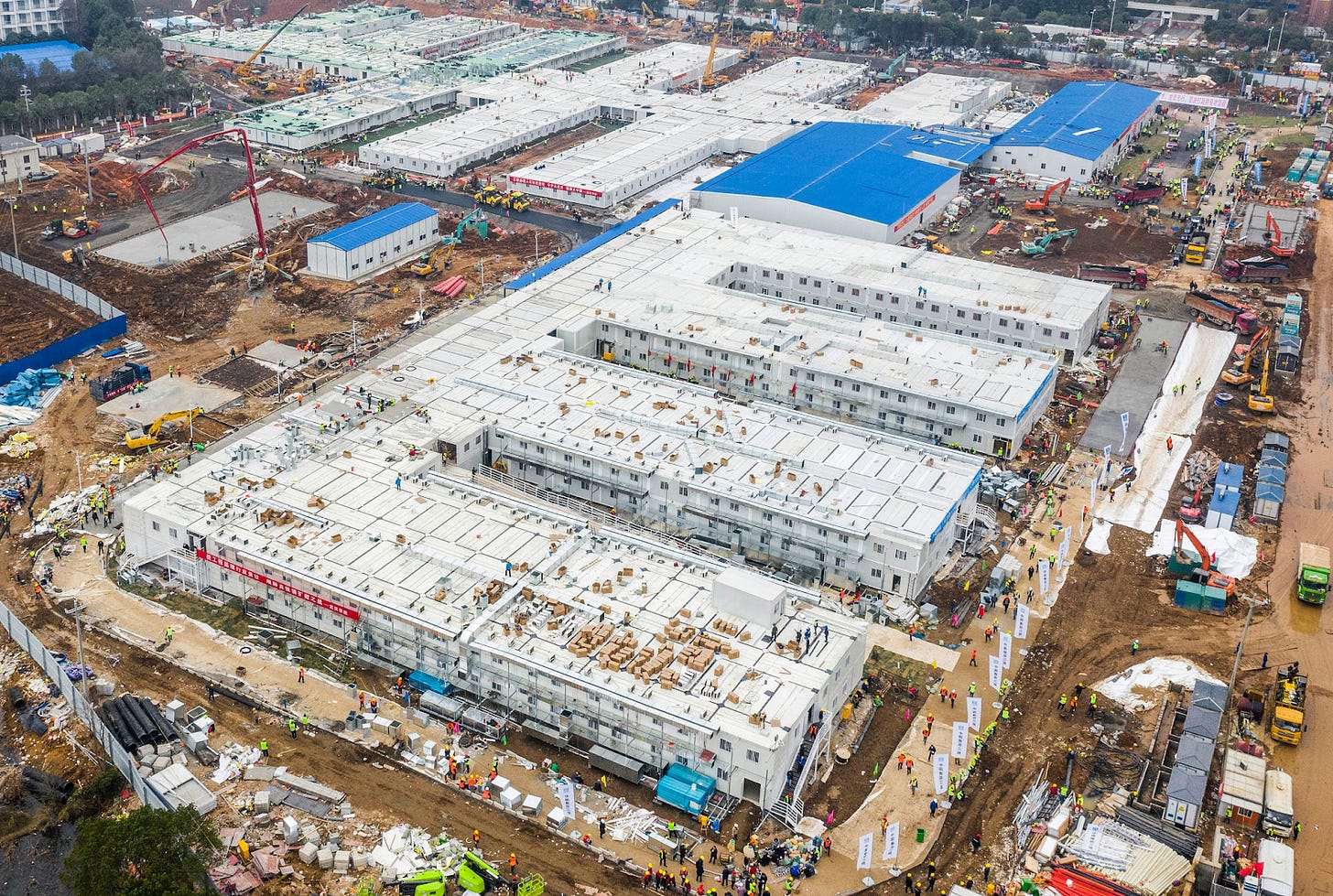
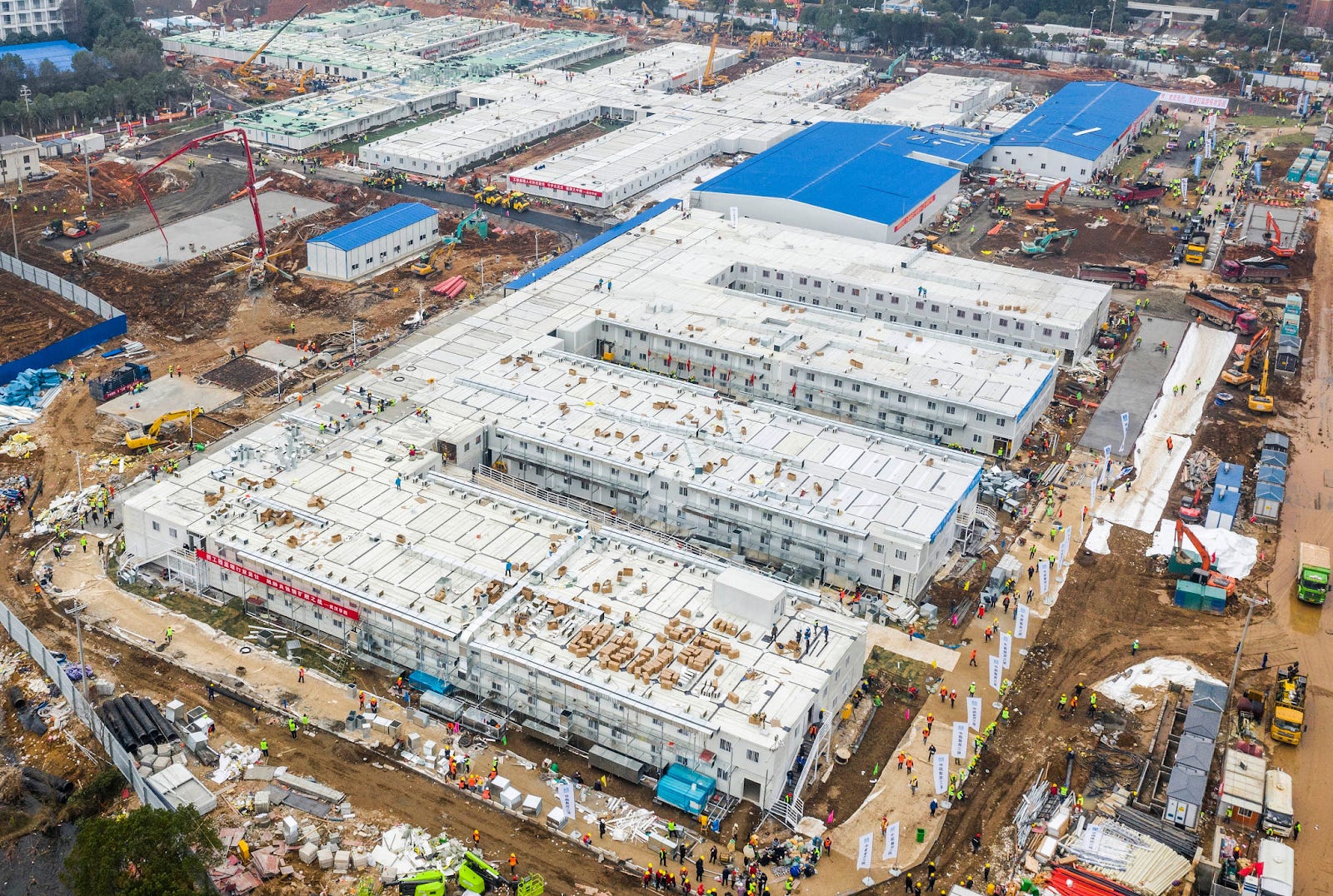
China’s COVID hospital in Wuhan, 1000 beds built in 9 days from empty land
Willow Run bomber plant: farm field outside of Detroit to 1 bomber plane per hour in 2 years during WWII

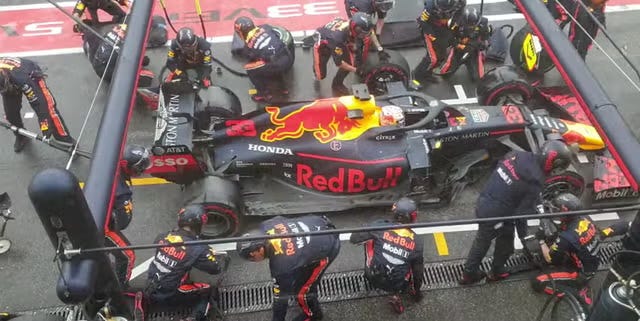
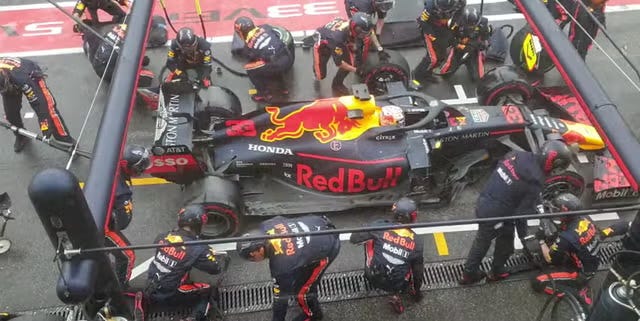
Red Bull Racing’s world-setting pit stop (<2 secs) at the 2019 Brazil Grand Prix. Watch carefully how every motion of every limb of every crew member is carefully choreographed

The last picture of the Red Bull pit crew visualizes how modern capitalism works. It invests tons of $$ for things rich people want........because (as a founder of a home automation tech company told me)"Rich People have money." @understandingamerica